
UK Flight Delay Compensation 2026: UK261 Rules, Amounts and Evidence
UK261 protects many delayed passengers after Brexit, but the claim depends on route coverage, final arrival delay, distance, airline reason, and evidence.

Quick answer: UK261 is the UK version of flight compensation rules
UK261 keeps many of the familiar EU261 concepts for UK-covered flights. A delay claim usually depends on where the flight departed, which airline operated it, the final arrival delay, the distance band, and whether the airline can prove extraordinary circumstances.
Use this checklist to record the delay and prepare your request. For the full route matrix, sterling amounts, care and complaint options, start with the UK261 passenger-rights guide.
When UK261 can apply
Check UK departures on any airline, UK arrivals on UK/EU operating carriers, and EU arrivals on UK operating carriers. These are route starting points, not a final entitlement decision; assess the whole booking and any remedy already received.
The practical test is not only “was the flight late?” but “how late did you arrive at the final destination, and why did the airline say it happened?”
- Check scheduled arrival time versus actual door-open arrival time.
- Check whether the flight departed from the UK or arrived in the UK.
- Check the operating airline, not only the seller of the ticket.
- Ask for the exact disruption reason in writing.
Delay length and compensation bands
For compensation, the key delay is normally final-arrival delay, not departure-board delay. A flight can depart late but arrive under the compensation threshold, or depart modestly late but arrive more than three hours late after knock-on disruption.
The amount depends on distance and the specific UK261 rules. Long flights, medium flights, and short flights can fall into different bands, and rerouting can affect the final result.
Extraordinary circumstances still matter
Airlines may reject compensation if the delay was caused by extraordinary circumstances that could not have been avoided even with reasonable measures. Weather, air traffic control, security issues, and external disruption may be relevant. Vague “technical issue” explanations deserve closer review.
- Save airline messages and departure-board screenshots.
- Keep comparable flight information if relevant, but another aircraft flying does not by itself disprove a weather defence. Ask how the conditions affected your flight and what reasonable measures were considered.
- Keep receipts for meals, transport, and hotel if the delay extended overnight.
- Request the relevant evidence after a generic refusal, then check the applicable ADR or CAA route and its entry conditions.
Useful next guides
Official sources checked
Sources checked September 8, 2026. Use the linked UK261 guide for the complete regional overview and the sources below to check the applicable rules.
Related travel tools
Optional partner links matched to this guide. FlyClaimer may earn a commission, but these links do not change our passenger-rights guidance.
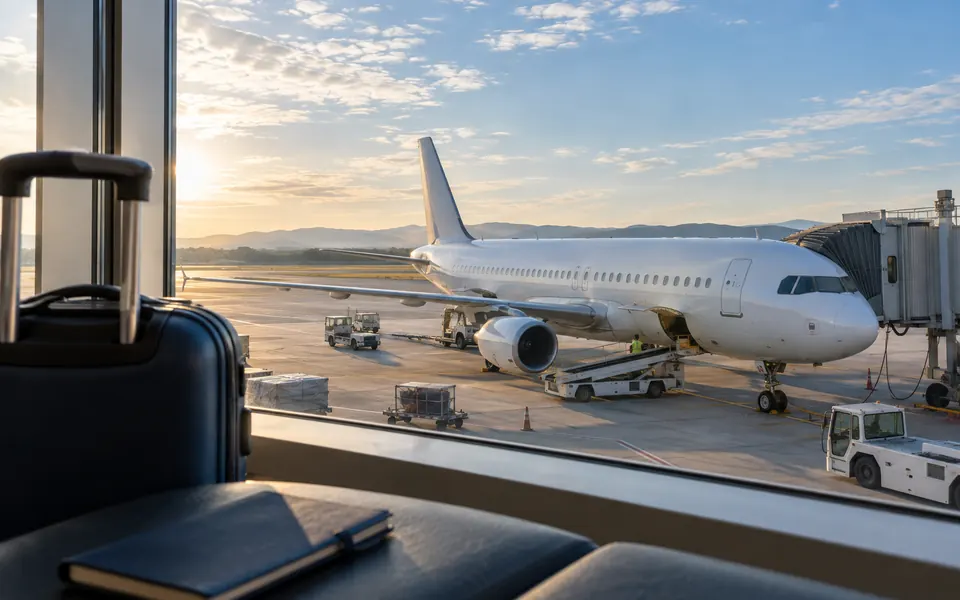 AI illustration
Aviasales
Flight search option for travelers comparing replacement flights or new travel plans after a disruption.
 AI illustration
Kiwitaxi
Airport transfer option for travelers who need ground transport after arrival, disruption, rerouting, or a new booking.
We may earn a commission. Disclosure