Extraordinary Circumstances: Flight Delay Examples and Evidence
Compare weather, strikes, technical faults, crew issues and ATC restrictions. Learn which evidence questions matter before accepting a compensation rejection.
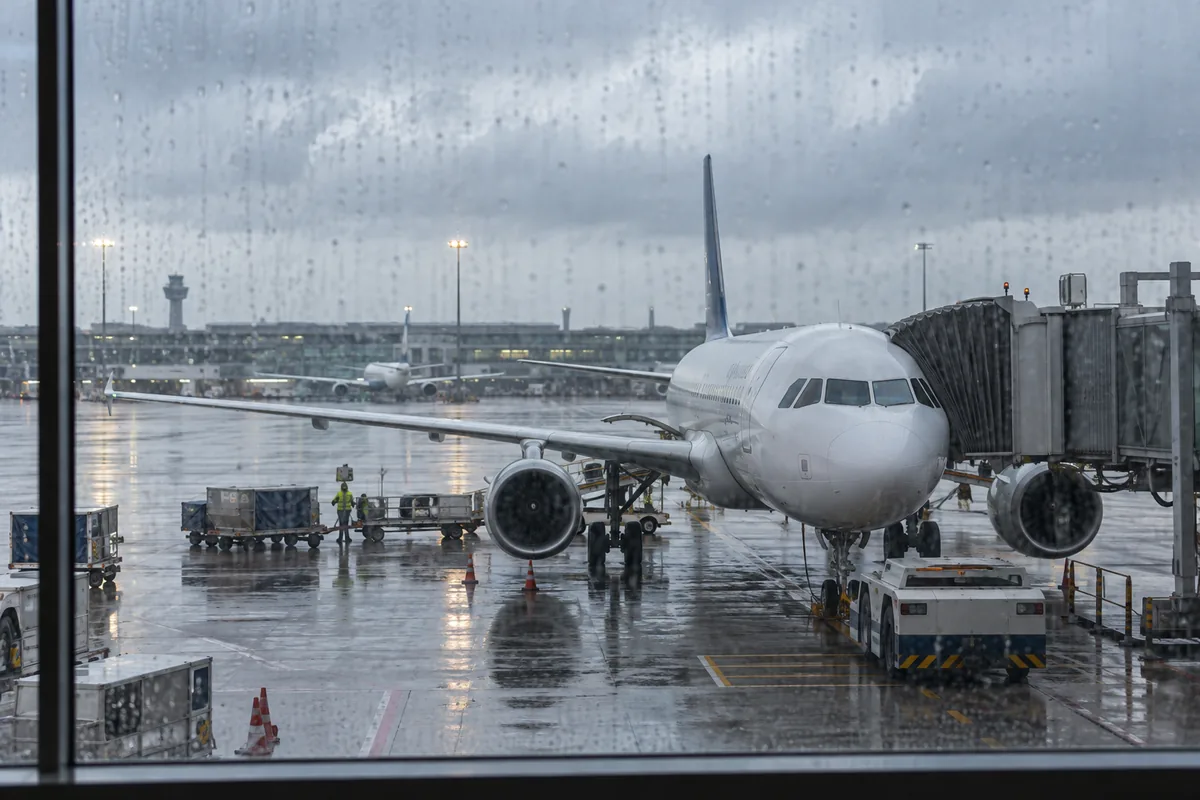
Illustrative AI-generated airport-weather image, not evidence of the cause of a particular flight delay. Sources checked September 8, 2026.
Quick answer: There is no list that decides every extraordinary-circumstances claim automatically. Identify the event, its effect on your flight and the measures taken. The examples below help you ask better questions; they are not a guarantee of payment or rejection.
What are extraordinary circumstances?
The European Commission's interpretative guidelines, section 5 explain the EU test: an event must not be inherent in normal airline activity and must be outside the carrier's actual control. The airline also needs to establish causation and reasonable measures. The label alone is insufficient.
This is an EU examples guide. First establish route coverage; use the separate UK261 guide for UK journeys. If you already have a rejection letter, our rejection-response guide takes you through the complaint process.
Common examples and the evidence to request
| Airline's explanation | Important distinction | Useful question |
|---|---|---|
| Weather | Actual operational restriction, not simply a forecast. | Which airport, period and operation were affected? |
| Strike | Who took action and their relationship to the airline. | Which staff or service caused this disruption? |
| Technical fault | Ordinary malfunction versus an exceptional external cause. | What caused the fault? |
| Crew absence | Unexpected sickness versus a different crew-related event. | What absence or restriction actually occurred? |
| Air traffic restriction | A specific decision and its effect on this aircraft. | Which restriction or delayed slot applied? |
| Earlier aircraft rotation | A direct link rather than a general reference to a late aircraft. | Which earlier flight and what timeline? |
| Security or airspace closure | An identified event affecting the relevant route. | What notice and period applied? |
| Bird strike | The collision and the checks or delays that followed. | Which part of the delay resulted from that event? |
Weather: another flight operating is not decisive
Adverse weather can be relevant, but the circumstances must be connected to the flight. A view from the terminal does not establish conditions along the route, at the destination or during an earlier relevant period. Keep dated notices and ask for the operational explanation.
Other aircraft departing is supporting context, not conclusive proof that your carrier could operate safely. Do not describe ordinary rain, fog or moderate wind as automatically excluding a defence. The question is the actual effect, not how dramatic the weather looked.
Strikes: identify who was involved
The Commission's guidelines distinguish airline staff action from external strikes, with attention to the circumstances and control. Do not treat all industrial action as one category, or assume outsourcing alone decides the result. Ask for the affected service and how it interrupted your flight.
Technical faults: ask about the cause
An unexpected fault is not automatically extraordinary. The guidelines distinguish normal technical problems from exceptional events such as a safety-related hidden manufacturing defect disclosed by a manufacturer or competent authority. “Safety first” explains why a flight should not operate unsafely; it does not alone settle the compensation test.
Ask for a concise explanation rather than demanding every maintenance document. A useful response identifies the issue and why the carrier considers it outside normal operations. Keep the first explanation alongside any later change.
Crew issues: sickness and duty-time limits are different descriptions
In TAP Portugal, joined cases C-156/22 to C-158/22, the Court treated an essential crew member's unexpected illness or death as inherent in airline activity. That does not justify turning every later reference to “crew” into the same factual situation.
If the explanation is a duty-time limit after an earlier event, ask for that event and its timeline. The narrower crew-sickness guide can help distinguish the issues.
Air traffic management and earlier flights
T-134/25, D v P, January 21, 2026 addresses delayed air traffic management slots and a subsequent flight in an aircraft rotation. A direct causal connection can matter even when the event affected an earlier service. Do not assume a late inbound aircraft always defeats the defence, or always proves it.
Request the restriction, affected flight and timings. If more than one cause contributed, ask how the carrier separates them. Keep the final arrival record rather than substituting departure-board photographs for arrival evidence.
Security and political disruption
A general regional warning is not a flight-specific operational record. Save the airline's dated notice and ask which restriction affected your journey. For a Turkey itinerary, our Turkey cancellation guide separates current booking checks from old announcements.
Bird strikes and subsequent checks
In Pešková and Peška, C-315/15, a collision with a bird could be extraordinary, while the checks and delay afterward still required examination. Avoid treating all resulting delay as automatically exempt without considering the sequence.
Ask for evidence proportionate to the dispute
Prepare a short list of missing facts: event, timing, connection to the aircraft and alternatives considered. Attach your booking and relevant messages. A vague answer can be challenged, but it does not make your claim automatically successful.
Focus on inconsistencies, not accusations
If the reason changes, quote both messages and ask how they fit together. Avoid unsupported claims that airlines always reject valid cases or that a particular explanation is deliberately dishonest. A factual complaint is easier to assess.
Keep compensation, care and refunds separate
Article 5(3) of Regulation 261/2004 concerns exemption from fixed compensation. It is not a blanket cancellation of other passenger obligations. Use the next-step guide and keep expense requests itemised rather than abandoning them solely because compensation was refused.
Does one example settle my claim?
No. An example identifies the legal issue; the itinerary, evidence and circumstances establish whether it applies. Keep the actual explanation and pursue the complaint route relevant to your flight.
AirHelp provides the optional partner checker. Eligibility, fees and service terms apply; you may also complain directly to the airline.
Related travel tools
Optional partner links matched to this guide. FlyClaimer may earn a commission, but these links do not change our passenger-rights guidance.

We may earn a commission. Disclosure