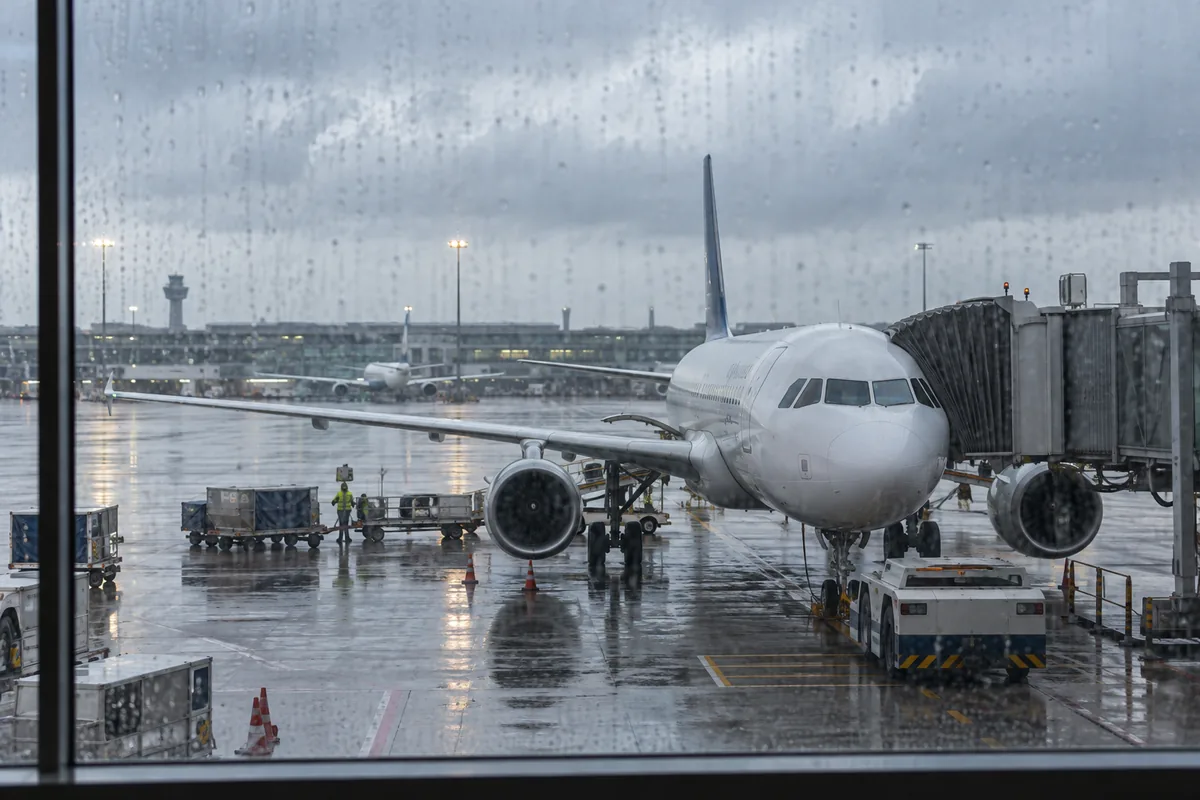
Fuel Shortage and Extraordinary Circumstances: EU Claim Evidence
Compare a local fuel shortage with high prices using the Commission guidance and relevant cases. Check the cause, evidence and reasonable measures.
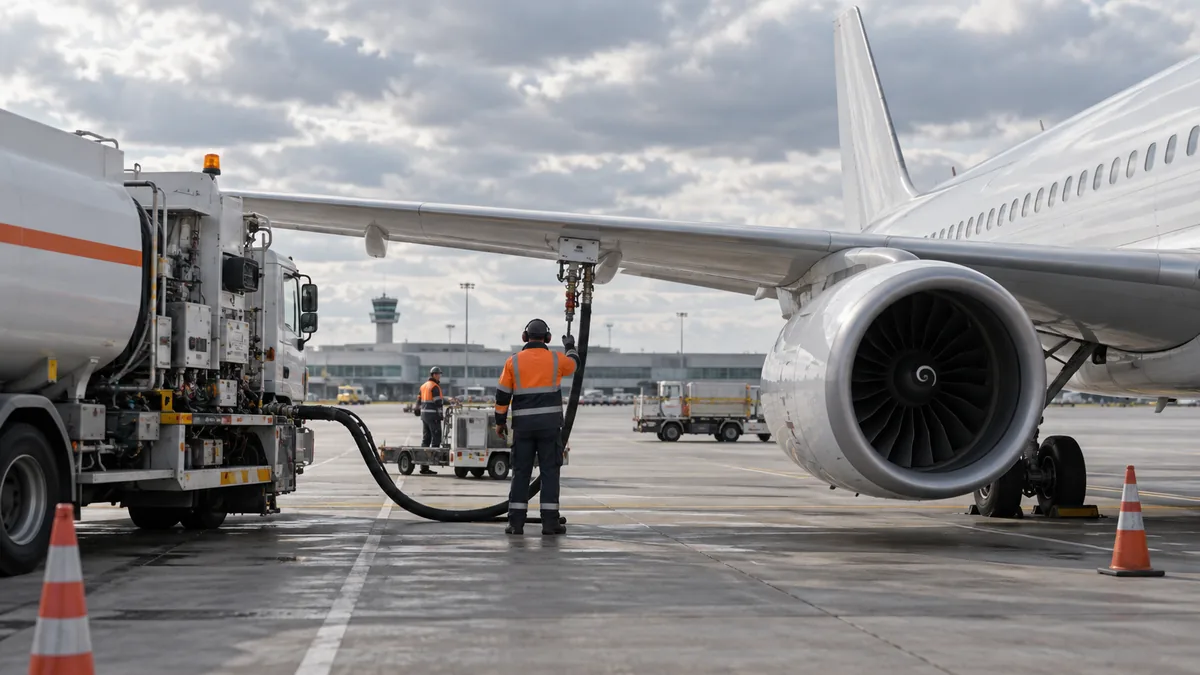
Sources checked September 8, 2026. This guide reviews an EU fuel-related defence, not an individual legal case. AI-generated illustration of generic travel context, not a photograph of the reported event, airport or a customer.
Quick answer: A fuel-related cancellation is not automatically extraordinary. Distinguish a documented local supply failure from high operating costs, then examine the connection to your flight and reasonable measures. First establish that the journey and disruption fall within the relevant passenger-rights rules.
What does the airline mean by fuel shortage?
The phrase could refer to a failure at a specific airport, a wider supply restriction, an operational decision or costs. Do not accuse the airline of using a false explanation without evidence, but do ask it to identify the event relied on.
This page focuses on that defence. For immediate transport, refund and receipt steps, use the fuel-cancellation action guide; for the dated industry background, use the 2026 fuel context article.
Three questions to put to the explanation
- What event occurred, and why was it outside normal airline activity and actual control?
- How did that event cause the cancellation or relevant arrival delay?
- What reasonable measures were taken to avoid the disruption?
The Commission's interpretative guidelines explain this framework. The airline bears the burden of its extraordinary-circumstances defence, while the passenger still needs the booking and disruption facts supporting the claim.
The more useful 2026 authority is the Commission's May guidance
The Commission notice published May 12, 2026, section 1(a) states its view that a local shortage preventing operation may be extraordinary, whereas cancellations caused by exceptionally high fuel prices are not. It also preserves the distinction between fixed compensation and other cancellation rights.
This is official interpretative guidance, not a judgment awarding every fuel-related claim. It does not remove coverage, notice and rerouting conditions. The prior uncited April quotation and assumptions about every airline's hedging have been removed.
Evidence questions for each explanation
| Explanation | Missing facts to request |
|---|---|
| Airport supply failure | Airport, period, operator of the affected system and effect on this flight. |
| High fuel prices | Whether this was a commercial schedule decision and when passengers were informed. |
| Airspace or safety restriction | The authority's notice, affected route and period. |
| Operational reasons | The specific event and its causal timeline. |
Why a broad crisis comparison does not decide the claim
A pandemic, conflict or fuel-market shock can lead to different specific events. A binding closure differs from a commercial decision. Do not infer that all flights in 2020 were legally impossible, or that no 2026 flight faced a restriction. Compare actual events and dates rather than assigning one legal outcome to an entire crisis.
A review checklist, not an automated verdict
| Check | Your file should show |
|---|---|
| Coverage | Origin, destination, operating carrier and complete booking. |
| Disruption | Cancellation notice or final arrival record. |
| Defence | Specific event, timing and effect on the flight. |
| Alternatives | What was considered or offered and your response. |
If a field is missing, request it. Missing detail is a reason to investigate, not an automatic passenger win. A static checklist avoids presenting a few clicks as a legal determination.
Relevant court decisions and their limits
SATA International, C-308/21, July 7, 2022 concerns a generalised refuelling-system failure at an airport. Such a failure can be extraordinary when outside the carrier's control. It is not authority that any rise in fuel prices excuses compensation.
T-134/25, January 21, 2026 concerns air traffic management and a later rotation, not a fuel-price ruling. Its relevance here is the need to examine causation where an earlier flight is invoked. Do not present it as a direct judgment about the 2026 fuel market.
Prepare a proportionate response
- Quote the airline's exact reason and identify the missing fact.
- Attach the booking, notice and arrival evidence.
- Ask how the event and alternatives support the refusal.
- Keep compensation, refund and care requests separate.
- Use the appropriate dispute route and check its deadline.
Do not demand unlimited airline expenditure or assume every unhedged cost proves liability. Necessary assistance and reimbursement have their own conditions, including the choice between refund and travel.
Frequently asked questions
Does expensive fuel automatically excuse compensation?
No. The Commission's May 2026 guidance distinguishes high prices from a local shortage preventing operation. Other eligibility conditions still need checking.
Does a local fuel failure automatically defeat a claim?
No. Examine its effect on the flight, actual control and reasonable measures, as well as the rest of the claim.
Was the January 2026 judgment about fuel prices?
No. T-134/25 concerned air traffic management and an aircraft rotation. The refuelling-system case discussed here is C-308/21.
Check the complete booking
FlyClaimer publishes information and referrals, not legal representation or claim decisions. AirHelp operates the optional checker; eligibility, fees and terms apply.
Related travel tools
Optional partner links matched to this guide. FlyClaimer may earn a commission, but these links do not change our passenger-rights guidance.

We may earn a commission. Disclosure