
Jet Fuel Disruption 2026: Dated Notices and Booking Changes
Separate 2026 fuel-market warnings from confirmed booking changes. Find the right steps for schedule changes, cancellations and passenger-rights questions.
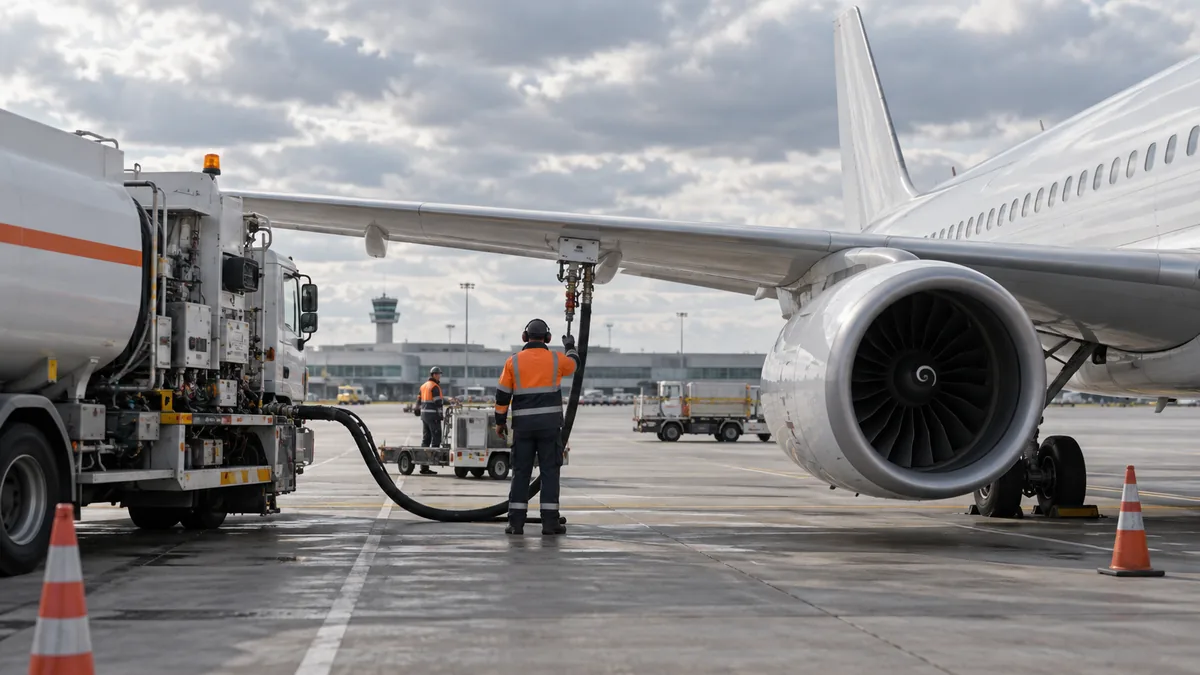
Dated 2026 industry context. Sources checked September 8, 2026. AI-generated illustration of generic travel context, not a photograph of the reported event, airport or a customer.
Quick answer: Fuel-price pressure, a local supply failure and a confirmed cancellation are different facts. An industry warning does not prove that your airport lacks fuel or that your booked flight will be cut. Start with your airline's dated notice.
Why the 2026 fuel discussion matters
The Commission's May 8 guidance announcement addressed transport disruption linked to the Middle East crisis and possible jet-fuel scarcity. That was dated industry context, not confirmation of a universal European airport shortage.
For a passenger, the actionable change is to the booking: a cancellation, revised time, different connection or unprovided service. Keep the original itinerary before accepting a change. A more expensive new fare is not, by itself, a flight-compensation event.
Separate dated forecasts from confirmed booking changes
| Source type | Useful information | Limit |
|---|---|---|
| Industry forecast | Assumptions about costs, demand or capacity. | Not a cancellation record for your service. |
| Dated airline fleet announcement | A named operational decision. | Does not prove every former route disappeared. |
| Airport supply or operational notice | A local restriction and time period. | Needs a connection to the affected flight. |
| Your airline's booking message | The specific change and offered alternative. | The legal cause may still need clarification. |
For example, Lufthansa Group's April 16 announcement recorded accelerated capacity measures. It should not be converted into a claim that all European carriers cut the same proportion of flights or that a current September flight is cancelled.
There is no verified route-risk ranking here
The former suggestion that particular short-haul or secondary-airport routes were most exposed was not backed by a comparable route dataset. Rather than infer risk from route profitability, monitor the booked flight and retain official changes.
For a connection, compare the entire journey. Check whether a replacement changes the airport, number of connections, cabin or final arrival. A shorter first sector does not make a long-haul connection unimportant.
Move from industry context to your passenger rights
The fuel-cancellation action guide helps organise immediate transport and payment questions. The separate fuel-defence guide explains how a local supply problem differs from a cost-driven cancellation.
Do not treat a fuel headline as proof of compensation or a blanket reason to give up. Establish the applicable route framework, notification time, offered rerouting and airline explanation. For a covered US itinerary, the DOT refund rules ask a different set of questions.
A local shortage needs local evidence
The Commission's May 2026 guidance distinguishes a local fuel shortage preventing operation from cancellation because fuel prices are high. An extraordinary-circumstances defence is not established by the word fuel alone.
Keep the distinction visible: Price, physical availability, safety restriction and commercial schedule reduction are not synonyms. Ask the airline which event applied and how it affected the flight.
What to keep after an operational-change message
- Original booking, operating carrier and payment receipt.
- Change notice with the date and exact explanation.
- Each alternative offered, including your response.
- Actual final arrival if you continued travelling.
- Itemised necessary expenses and assistance requests.
Ask whether the decision concerned supply at a named airport, a route restriction or costs. Do not demand confidential fuel contracts as a condition of communicating; request the information needed to understand the passenger-rights decision.
Choose the next step for the affected booking
Check current status directly with the airline and use the evidence checklist for a past disruption. This page retains its 2026 context and is not being relabelled as an urgent autumn alert.
FlyClaimer provides information and referrals. AirHelp operates the optional checker; partner eligibility, fees and terms apply.
Related travel tools
Optional partner links matched to this guide. FlyClaimer may earn a commission, but these links do not change our passenger-rights guidance.
 AI illustration
Aviasales
Flight search option for travelers comparing replacement flights or new travel plans after a disruption.
 AI illustration
Yesim
eSIM option for travelers who need mobile data before, during, or after an international trip.
We may earn a commission. Disclosure