Involuntary Denied Boarding Compensation: Your Rights If the Airline Bumps You
Involuntary denied boarding is the legal phrase behind many overbooking claims. Here is how to protect the claim before accepting vouchers, rerouting, or a gate offer.

What “involuntary denied boarding” means
Involuntary denied boarding means the airline refuses to carry you even though you had a confirmed booking, presented yourself for boarding correctly, and did not choose to give up your seat voluntarily.
Overbooking and some operational decisions can lead to denied boarding, but the rules differ by region. In the US, certain aircraft substitutions and weight/balance cases are exceptions to statutory oversales compensation; do not copy an EU conclusion to a US flight.
Voluntary bumping vs involuntary denied boarding
The distinction matters. If you volunteer after the airline asks for passengers to give up seats, you are usually negotiating a private deal. If the airline refuses boarding against your will, statutory denied boarding compensation may apply.
If the gate is chaotic, say clearly that you are not volunteering unless the offer is acceptable and written. That sentence can prevent confusion later.
- Voluntary: you accept an offer to travel later.
- Involuntary: the airline chooses not to carry you.
- Unclear: ask the gate agent to put the status in writing.
When compensation is less likely
First identify the applicable rules, booking and presentation evidence, and the actual refusal reason. Reasonable health, safety, security or document grounds differ from a mistaken refusal. An explicit advance refusal can also change the normal presentation test. Use the eligibility guide for that analysis.
That is why the first evidence question is simple: were you ready and eligible to travel, and did the airline deny boarding because it could not carry you?
How to document the claim
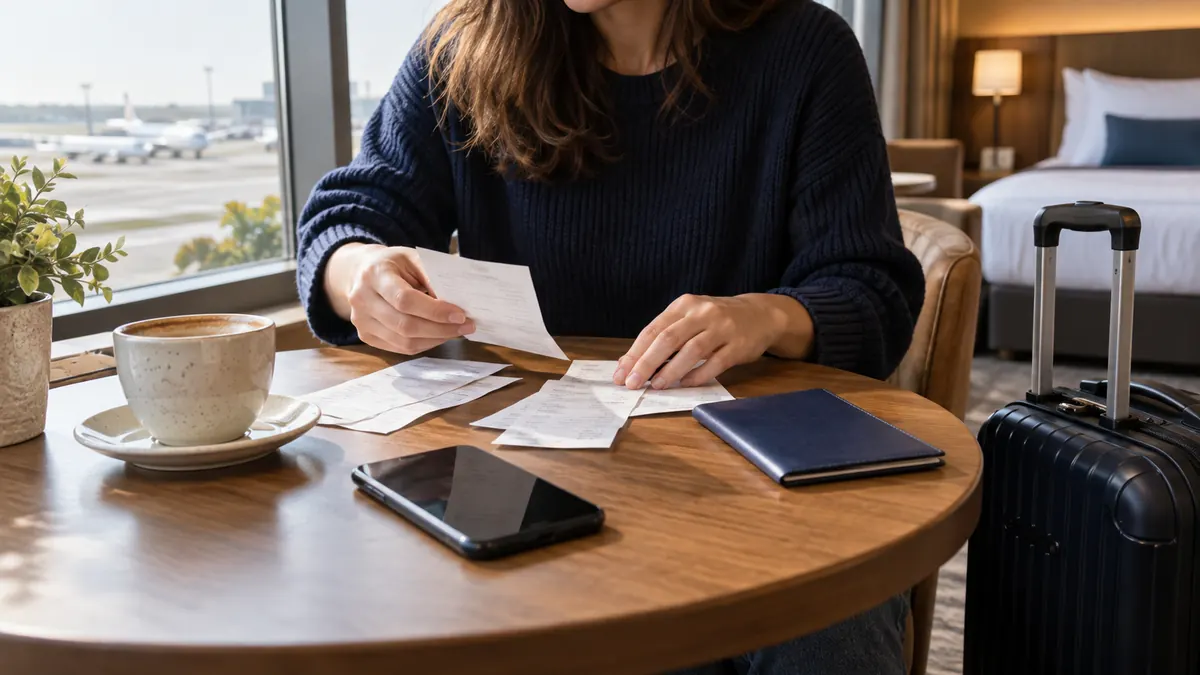
Build a short timeline and keep contemporaneous records. A useful written request identifies the flight, what staff said, whether you volunteered, the remedy requested and supporting documents. Do not send passport or booking details in a public comment or analytics field.
- Boarding pass and booking confirmation.
- Proof you checked in before the deadline.
- Photo of the gate screen and the time.
- Names or roles of staff you spoke with, if possible.
- Written denied boarding statement or app/email message.
- Replacement flight details and actual arrival time.
Useful next guides
Official sources checked
- EU261: Articles 2, 3, 4, 7, 8, 9, 14 and 15
- European Commission: denied-boarding interpretations, section 3.1
- UK CAA denied-boarding guidance
- US DOT bumping and oversales
- CJEU C-238/22: explicit advance refusal
Sources checked September 8, 2026. General information, not individual legal advice. Check the rule applicable to the flight date; approved reforms can have later application dates.
Related travel tools
Optional partner links matched to this guide. FlyClaimer may earn a commission, but these links do not change our passenger-rights guidance.
 AI illustration
Aviasales
Flight search option for travelers comparing replacement flights or new travel plans after a disruption.
 AI illustration
Kiwitaxi
Airport transfer option for travelers who need ground transport after arrival, disruption, rerouting, or a new booking.
We may earn a commission. Disclosure